Proven Results

Case Studies

Real projects, real results. Explore how we've helped industrial companies navigate complex challenges across Europe and Asia.

The Inspection Line They Had Been Priced Out Of: AI Quality Control for a Vietnamese Foam Manufacturer
Furniture & Bedding ComponentsVietnam / China

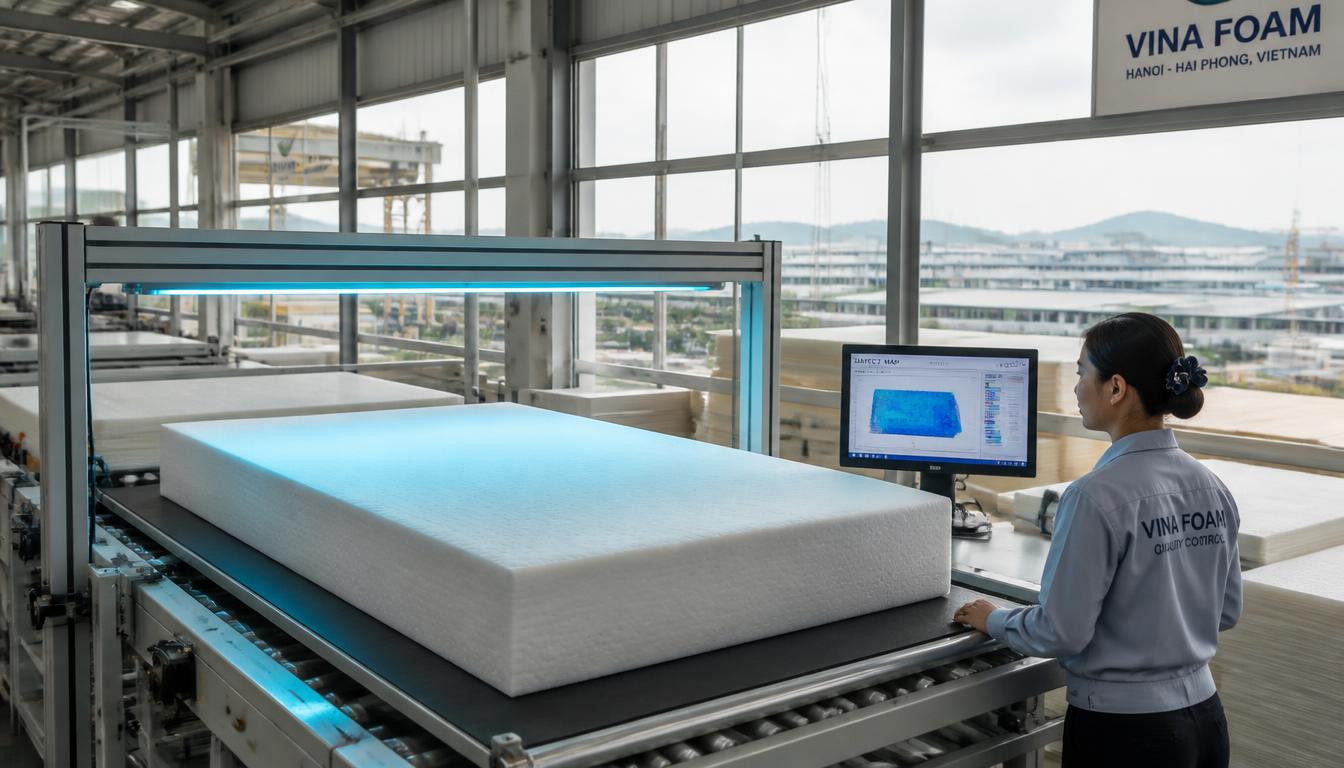
The Inspection Line They Had Been Priced Out Of: AI Quality Control for a Vietnamese Foam Manufacturer

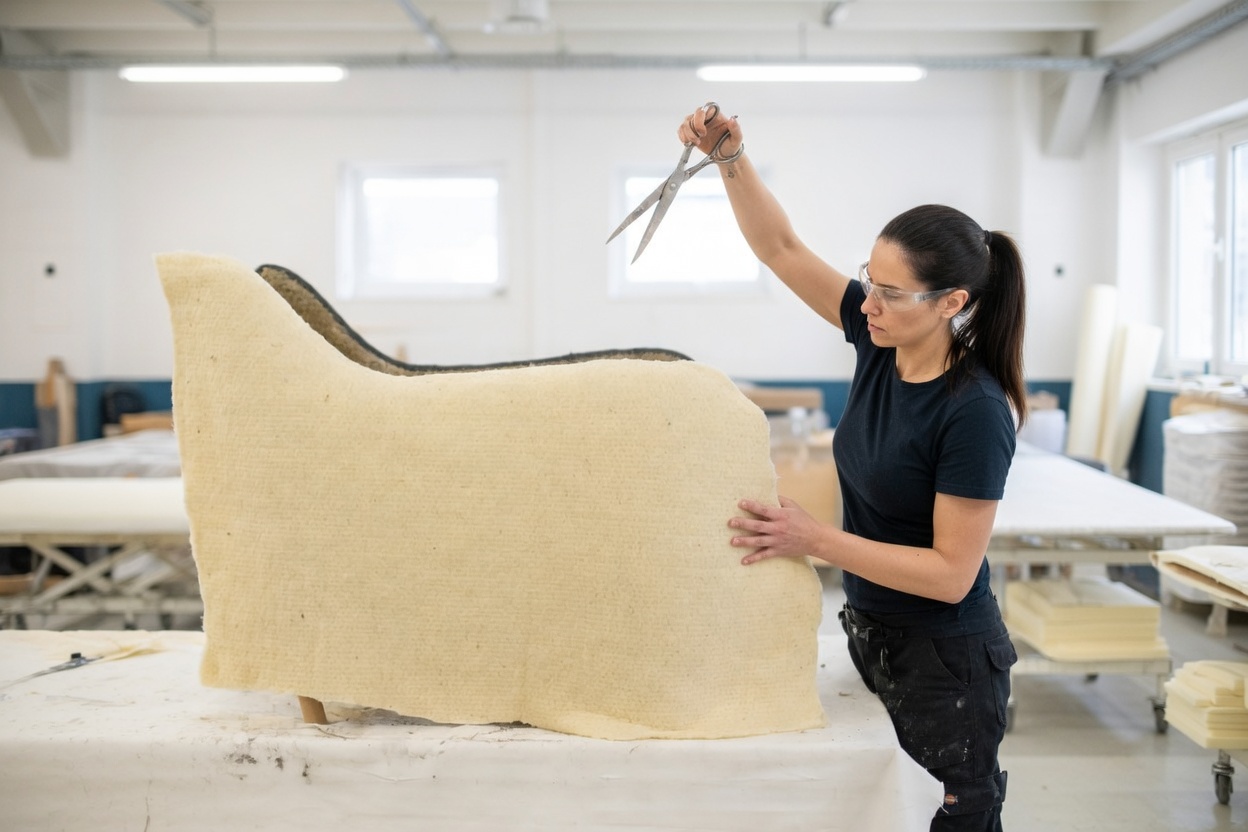
A mid-sized manufacturer of foam cores and mattress components in the Hanoi-Hai Phong industrial corridor of northern Vietnam, supplying both domestic Vietnamese bedding brands and export customers in Western Europe. Like many manufacturers that expanded production in Vietnam as part of a broader China+1 diversification strategy, the company had grown quickly on competitive labour costs and improving logistics infrastructure β€” but its quality control had not kept pace with that growth. Checking for density consistency, surface defects, seam alignment and material contamination was performed almost entirely by visual inspection from line workers. As volumes grew and the company took on more European clients with stricter defect-rate tolerances and documentation requirements, three problems became increasingly costly: inconsistent defect detection, particularly for the subtle density and compression variances that are difficult for the human eye to catch reliably across a full shift; rising rework and return rates from European buyers, some of whom had begun requesting batch-level quality documentation the company could not easily produce; and a tightening local labour market for trained quality inspectors, with turnover making it difficult to hold a consistent grading standard over time. The company had explored automation but hit a familiar obstacle β€” quotes from established European and North American machine-vision integrators for a customised inspection line sat well above what the investment case could justify at its scale, with a payback period too long to win board approval.

Automated inspection at a fraction of Western quotes

Read case study


The 6,000-Kilometre Shortcut: How a European Yacht Brand Moved Its Production from China to Antalya
Marine IndustryChina / Turkey

The 6,000-Kilometre Shortcut: How a European Yacht Brand Moved Its Production from China to Antalya

A Northern European sailing yacht manufacturer with an established brand in the 35 to 55-foot performance cruiser segment β€” a category where buyers are sophisticated, specifications exacting, and the brand's word-of-mouth reputation in the European sailing community is the primary commercial asset. The company designed its boats in-house and sold through marinas and dealerships across Northern and Western Europe, but manufactured hulls and completed final assembly at a subcontractor facility in southern China. The arrangement, made a decade earlier for its margin advantage, was by 2023 failing on four dimensions simultaneously: Chinese labour-cost inflation had eroded the cost gap to the point where it no longer justified the operational complexity; finish quality had drifted across three production cycles, generating warranty claims and unflattering comments in the sailing press; a six-week ocean transit pushed the order-to-delivery cycle to eight to ten months against competitors delivering in four to six; and the production director was losing some forty days a year to supervision flights across nine time zones. Management concluded the China arrangement had to end β€” but had no clear answer to where a Europe-adjacent alternative might exist.

Lead time cut from 9 to 5 months

Read case study
When the Strait Closed: Navigating a Sulfuric Acid Supply Crisis for an Italian Biomethane Producer
Industrial ChemicalsItaly / Europe

When the Strait Closed: Navigating a Sulfuric Acid Supply Crisis for an Italian Biomethane Producer

A producer of biomethane and biogas operating multiple anaerobic digestion sites across the Po Valley in northern Italy β€” one of Europe's most concentrated areas of agricultural biogas infrastructure β€” injecting upgraded biomethane into the national grid under long-term offtake contracts with penalty clauses for non-delivery. A critical step in its gas upgrading is the abatement of hydrogen sulphide (Hβ‚‚S) via a wet scrubbing process using dilute sulfuric acid (Hβ‚‚SOβ‚„); across its sites the company consumed several hundred tonnes of acid per year, procured on scheduled deliveries from a single primary supplier sourcing from a Gulf-region producer shipping by tanker through the Strait of Hormuz. In early 2025, escalating Persian Gulf tensions made Hormuz transits commercially uninsurable for chemical tanker operators; the supplier declared force majeure and suspended deliveries indefinitely. The client held roughly three weeks of working inventory β€” adequate for a short interruption, grossly inadequate for the disruption emerging β€” with no pre-qualified alternative, no visibility on European spot availability, and no experience navigating an acute chemical shortage. They contacted MAXAM within 48 hours of the force majeure notice.

Zero production downtime through the Hormuz crisis

Read case study
From Bucharest to Guangzhou: Building a Direct Capsule Supply Chain for a Romanian Nutraceutical Manufacturer
Pharmaceutical PackagingChina / Romania

From Bucharest to Guangzhou: Building a Direct Capsule Supply Chain for a Romanian Nutraceutical Manufacturer

A Romanian manufacturer of dietary supplements and nutraceutical products operating from a facility in the Bucharest metropolitan area, producing vitamin, mineral, and botanical formulations in capsule and tablet formats and selling through pharmacy chains, parapharmacies, and online retail across Romania and neighbouring CEE markets. Annual volume exceeded 15 million capsule units, spanning gelatin and β€” increasingly β€” HPMC formats for its growing vegan and Halal-positioned lines. The company had been buying empty hard capsules through a Western European distributor whose pricing reflected the full margin of a multi-tier chain (Chinese manufacturer β†’ European importer β†’ national distributor β†’ end customer). As volumes grew, the capsule line item β€” a meaningful share of goods cost in a margin-pressured category β€” was running 30 to 40% above what a well-managed direct-import relationship could achieve. The challenge was not identifying the gap but crossing it safely: preserving a tested quality profile (dimensional tolerance, moisture content, disintegration time, shell-thickness consistency) and regulatory standing (EU food-grade GMP, third-party certification, recognised Halal certification for gelatin grades) with an internal procurement team that had no direct-China-sourcing experience.

-38% capsule unit cost, compliance intact

Read case study
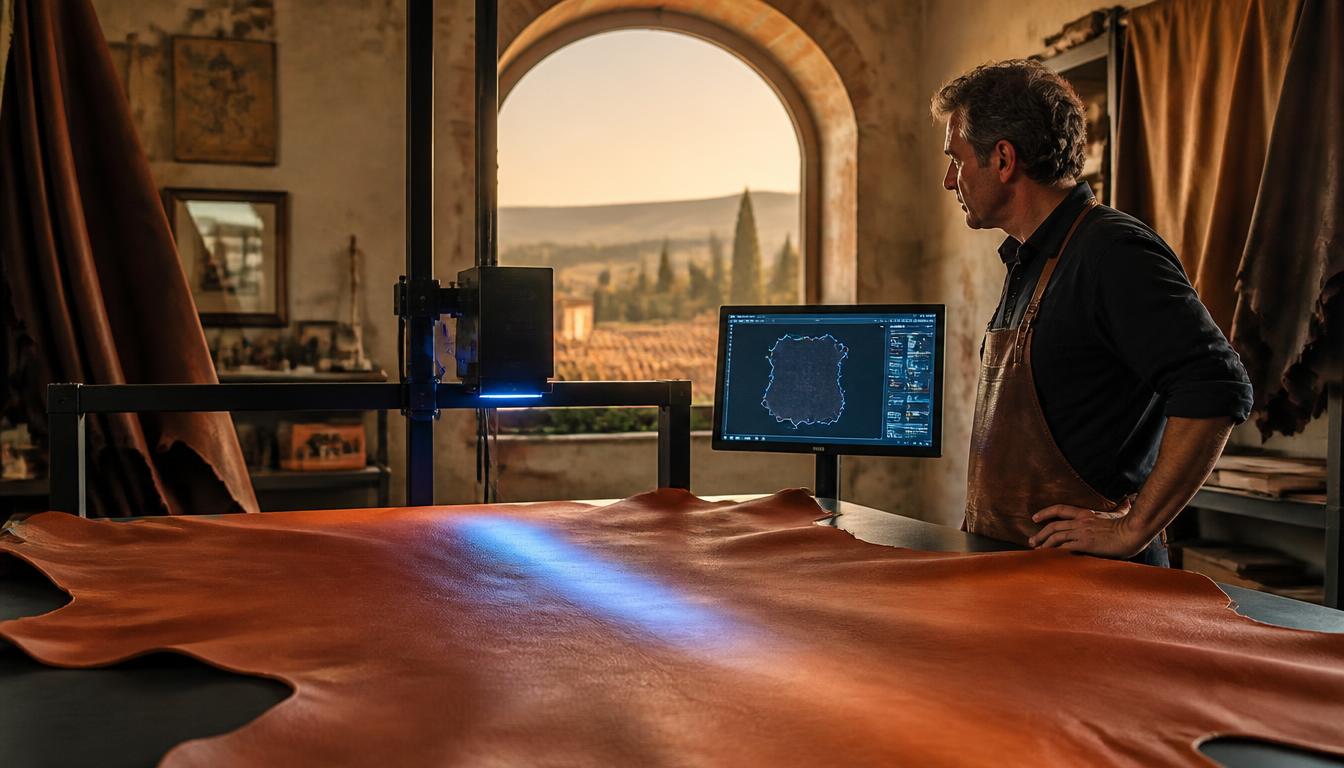
Grading by Machine, Judged by Hand: Bringing AI Hide Inspection to a Tuscan Family Tannery
Leather & Natural MaterialsItaly / China

Grading by Machine, Judged by Hand: Bringing AI Hide Inspection to a Tuscan Family Tannery

A fourth-generation, family-owned tannery in Santa Croce sull'Arno β€” the Arno valley district between Pisa and Florence that is Europe's most concentrated vegetable-tanning cluster, with some 200 to 250 tanneries employing several thousand people. The client employed around 60 staff and supplied finished leather to mid-tier Italian fashion and furniture brands, with a strong quality reputation but a grading process carried out entirely by manual visual inspection: several minutes per hide, dependent on a handful of experienced graders whose judgement was difficult to standardise or document. Three pressures were converging at once. Larger fashion houses were asking suppliers for objective, per-hide defect data β€” mapped defect locations, cuttable-area percentages, consistent criteria β€” rather than a grader's subjective sign-off, which the client could not produce without significant manual record-keeping. Manual grading was erring on the side of caution around ambiguous defects, and inconsistency between shifts and between individual graders was causing avoidable downgrading of hides β€” a direct margin loss on a high-value material. And the most experienced graders were nearing retirement, with no confidence that newer staff could be trained to the same standard in time. The client had examined the machine-vision grading systems already running at larger tanneries in the district, but the specialist providers serving this niche β€” mostly US and Northern European β€” priced hardware and service contracts for an export-scale tannery, not a 60-person family business.

Grading time cut from minutes to under 30 seconds per hide

Read case study
When the Certification Was Real but the Product Wasn't: A French Safety Distributor's Three-Year Exposure
PPE & Safety EquipmentChina / Portugal

When the Certification Was Real but the Product Wasn't: A French Safety Distributor's Three-Year Exposure

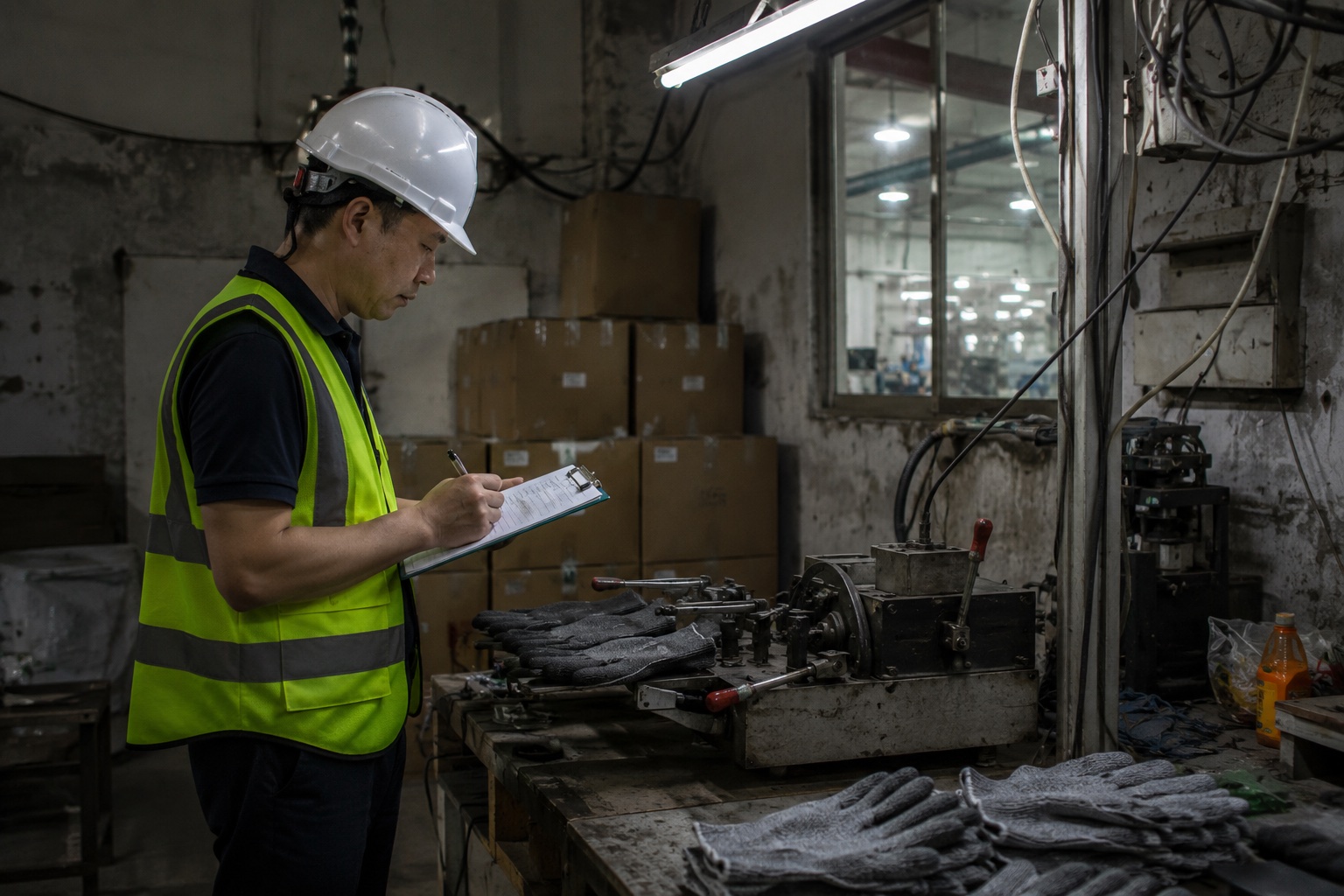
A French distributor of industrial safety equipment had been supplying EN-certified cut-resistant work gloves to manufacturing and logistics clients across France for three years. The gloves carried a valid CE mark under EU PPE Regulation 2016/425, backed by an EU Type Examination Certificate from a recognised Notified Body. Procurement was straightforward β€” one Guangzhou supplier, consistent pricing, no significant complaints. The distributor engaged MAXAM Group as part of a routine quality review of its Asian sourcing portfolio, expecting to establish a baseline framework before adding new suppliers. The audit found something that had already been going wrong for at least fourteen months β€” quietly, and without any of the visible signals that normally prompt a supplier review.

CE compliance restored in 17 weeks

Read case study
When the Factory Subcontracted Without Telling Anyone: A Dutch DIY Distributor's Six-Year Blind Spot
DIY & Home ImprovementChina

When the Factory Subcontracted Without Telling Anyone: A Dutch DIY Distributor's Six-Year Blind Spot

A Dutch distributor of DIY and home improvement products had been sourcing from the same Chinese factory for six years β€” consistent pricing, reliable delivery, no significant quality complaints. Two factory visits over that period had produced favourable impressions, and the relationship had continued on that basis. When the distributor engaged MAXAM Group, it was not acting on suspicion: the brief was forward-looking, intended to assess production capacity and quality system maturity before committing to higher volumes for an expanded product range. The survey found something the client had not anticipated and the supplier had not disclosed.

40% off-site production exposed and corrected

Read case study
Five Categories, One Commercial Structure: How a German Catering Chain Sourced Across China Without Building Five Supplier Relationships
Catering & Foodservice EquipmentChina

Five Categories, One Commercial Structure: How a German Catering Chain Sourced Across China Without Building Five Supplier Relationships

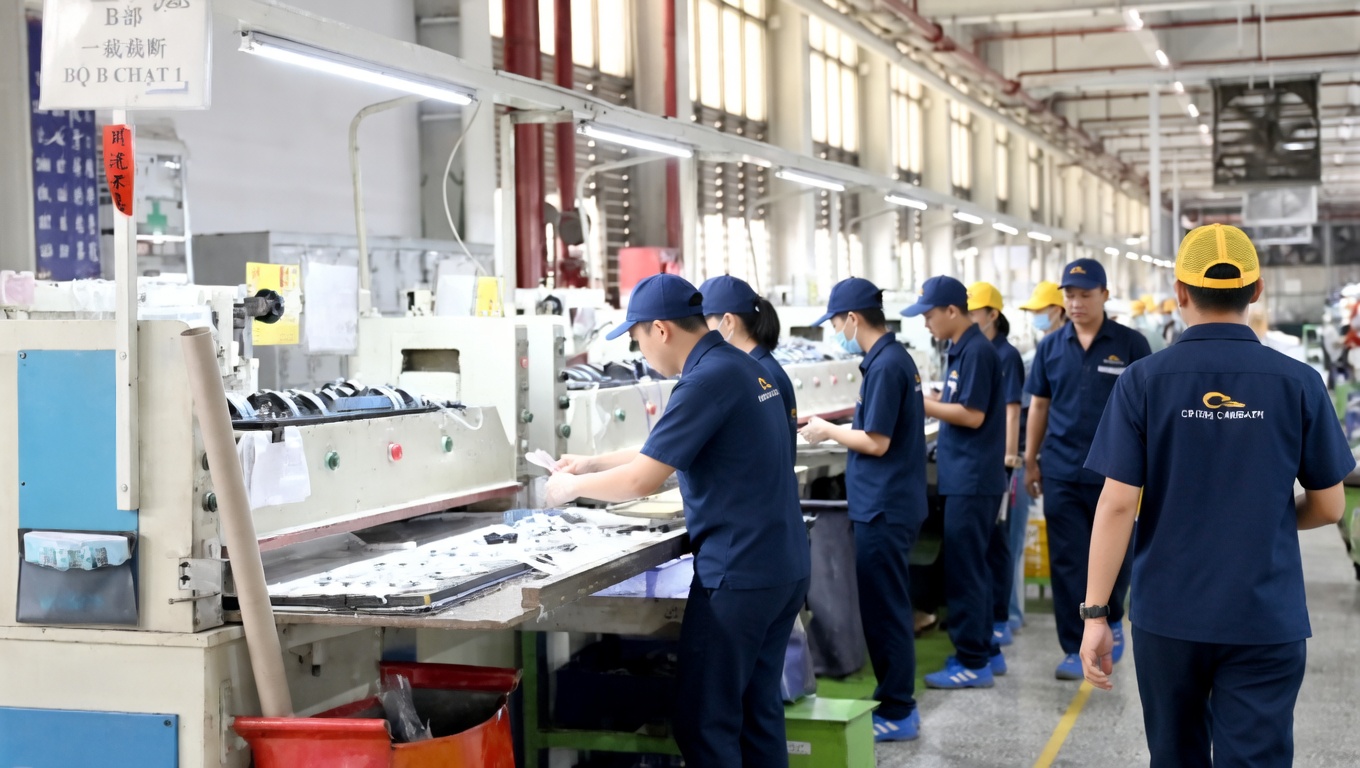
A German operator of institutional catering facilities β€” supplying corporate canteens, hospital foodservice, and large-scale event catering β€” had reached a scale where its equipment and consumable sourcing no longer made sense. The company purchased through a fragmented mix of German distributors, a single direct relationship with a Guangdong cookware factory, and a domestic uniform supplier, producing a procurement structure that was administratively heavy, margin-inefficient, and operationally unreliable. The commercial trigger for change was a planned expansion: six new sites over eighteen months, requiring simultaneous equipping across five categories β€” professional cookware, smallwares, storage and shelving, cleaning equipment, and staff uniforms. Sourcing these domestically at the required volume was not viable; sourcing them from five separate Chinese suppliers individually was beyond the company's internal procurement bandwidth.

-31% procurement cost vs. domestic baseline

Read case study
Twelve Months from Decision to First Sale: A Belgian Nutraceuticals Brand Enters Tmall Global
Nutraceuticals & WellnessChina

Twelve Months from Decision to First Sale: A Belgian Nutraceuticals Brand Enters Tmall Global

A Belgian manufacturer of dietary supplements and nutraceuticals had built a solid position across Belgium, the Netherlands, and France β€” fourteen SKUs covering omega-3, vitamin complexes, probiotic blends, and sports nutrition, all certified to EU food supplement standards and sold through pharmacy chains, specialty health retailers, and a direct e-commerce channel. The board approved a China entry budget targeting Tmall Global sales within twelve months and appointed MAXAM Group to manage the entry end-to-end. What followed was twelve months of structured complexity that the company's initial internal assessment had significantly underestimated β€” not because any single element was insurmountable, but because the cumulative sequencing of regulatory, commercial, logistical, and marketing steps created dependencies and delays that only become visible from inside them.

First Tmall Global sale in week 51

Read case study
Sourcing Raw Materials from Turkey for the Iberian Mattress Industry
Mattress & BeddingTurkey

Sourcing Raw Materials from Turkey for the Iberian Mattress Industry

Several mattress manufacturers in Spain and Portugal were facing rising costs and fragmented supply chains for key raw materialsβ€”textile, foam, and pocket springs. Each factory was sourcing independently, missing volume leverage and paying high per-unit freight costs.

-28% raw material costs

Read case study
Lean Transformation of an Electronics Assembly Plant in Vietnam
ElectronicsVietnam

Lean Transformation of an Electronics Assembly Plant in Vietnam

A German electronics manufacturer had set up assembly operations in Ho Chi Minh City but was struggling with high defect rates, excess inventory, and missed delivery targetsβ€”threatening key customer relationships.

+28% productivity improvement

Read case study
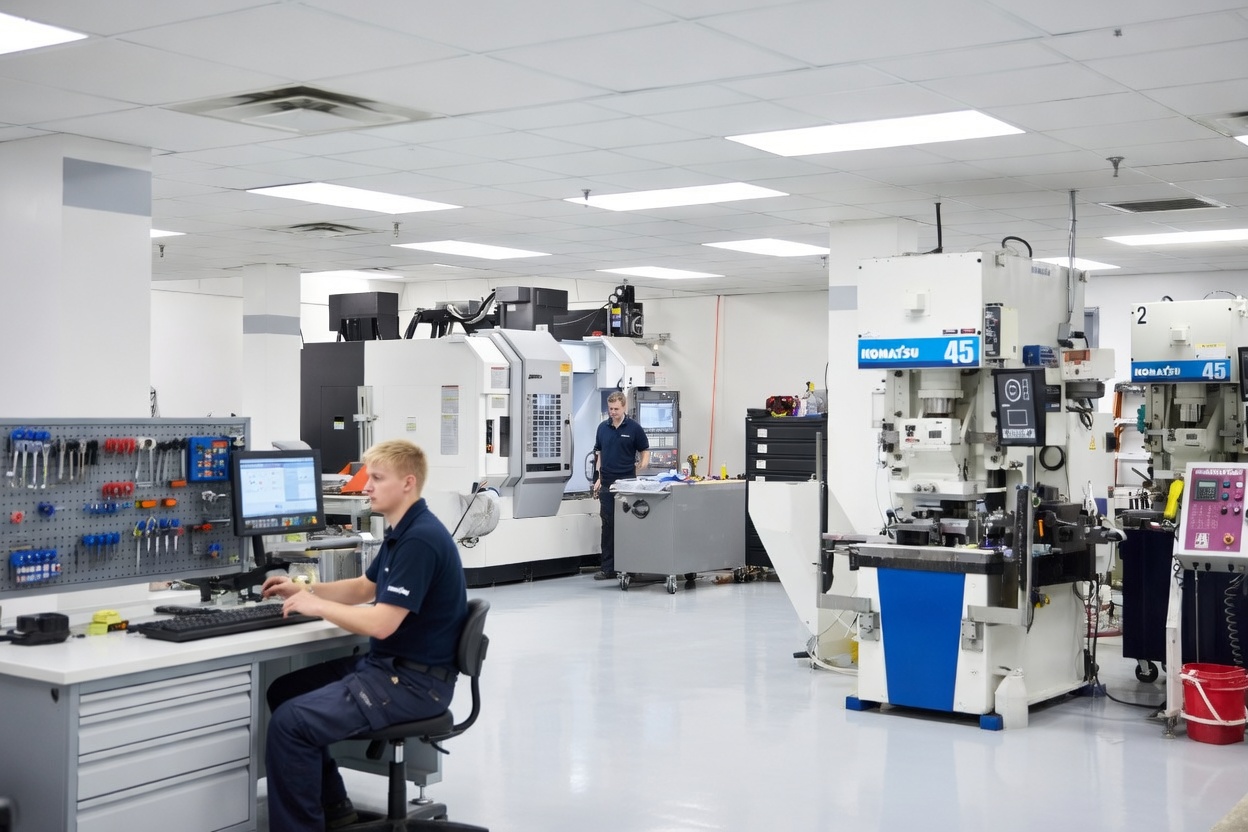
Industrial Sourcing & Supply Chain Redesign in Poland
Industrial EquipmentEastern Europe

Industrial Sourcing & Supply Chain Redesign in Poland

A Belgian machinery manufacturer was over-dependent on a single German supplier for precision machined components, leading to long lead times and pricing pressure that eroded margins.

-22% total procurement cost

Read case study
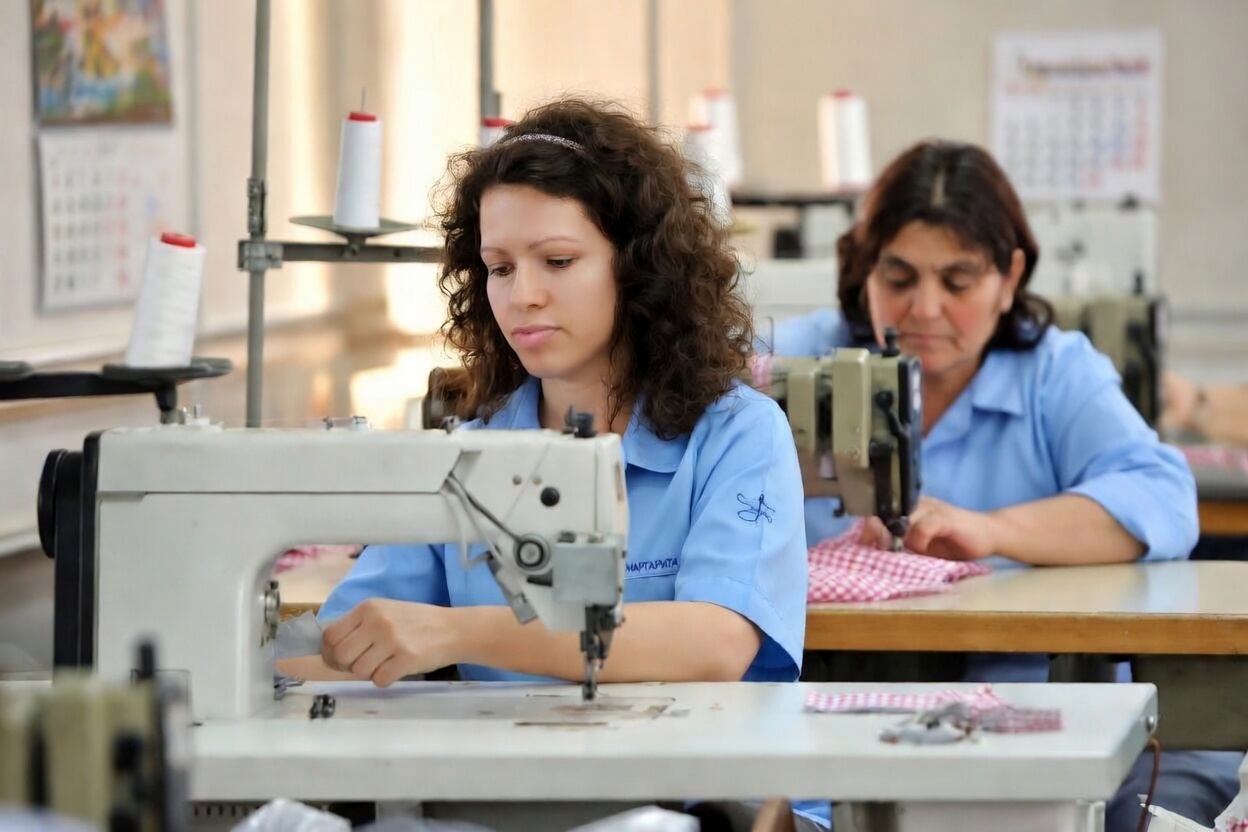
Finding the Right Bulgarian Producer β€” How MAXAM Group Helped a European Brand Shorten Its Supply Chain
Textile & ApparelEastern Europe

Finding the Right Bulgarian Producer β€” How MAXAM Group Helped a European Brand Shorten Its Supply Chain

A mid-sized European clothing brand operating across Germany, France, and Benelux had built its production model around large seasonal volumes from China and Bangladesh, ordered six months in advance. End-of-season markdowns on overcommitted styles were eroding margins, post-COVID logistics disruptions had made lead times unpredictable, and retail partners were asking questions about sourcing transparency the team could not easily answer.

Lead time cut from 11 to 5 weeks

Read case study
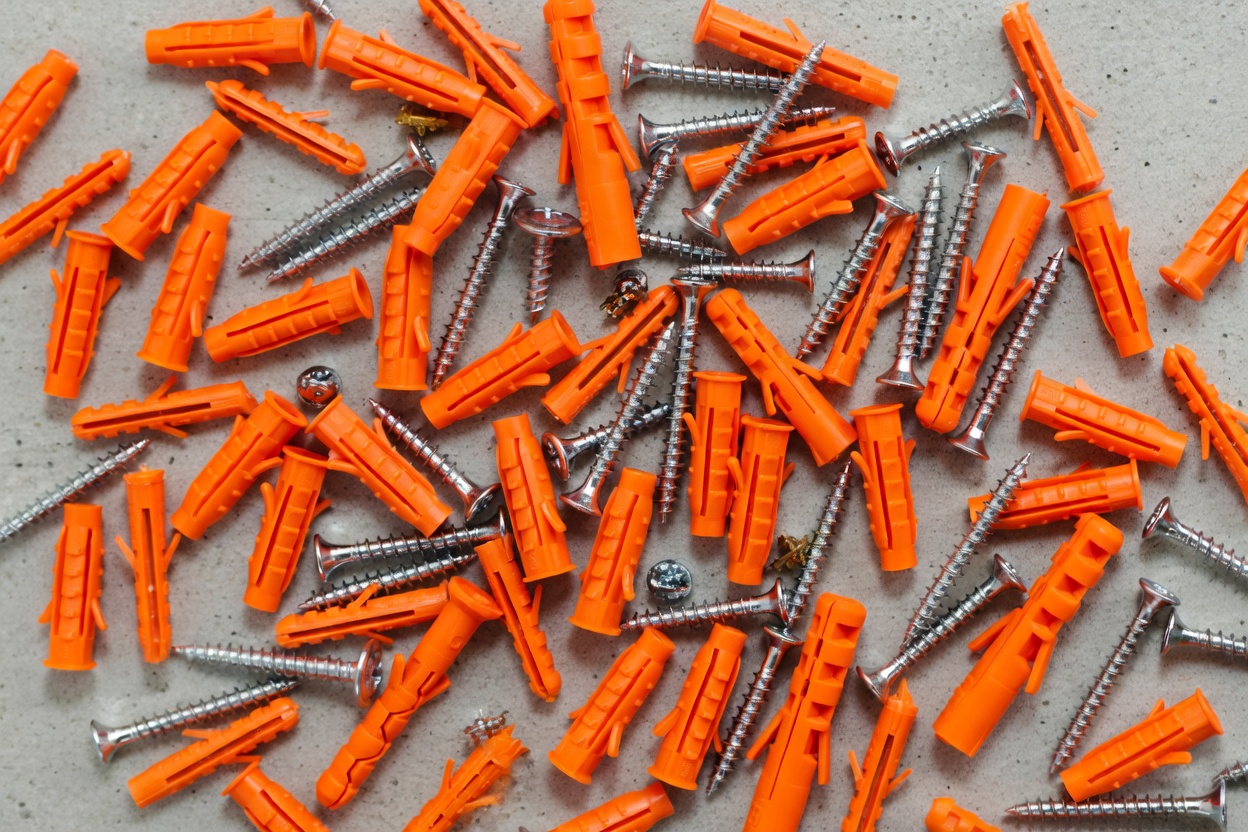
From Factory Floor to Global Platform: How a French Fastener Company Rebuilt Its Business Model in China
Manufacturing & HardwareChina

From Factory Floor to Global Platform: How a French Fastener Company Rebuilt Its Business Model in China

A third-generation French fastener manufacturer had closed its Lyon production facility after Chinese competition eroded volumes by over 60%. The company retained its brand, customer relationships, and distribution network but was sourcing from a rotating roster of Chinese manufacturers with inconsistent quality, no control over packaging, and suppliers who dropped orders during peak periods.

Revenue grew from €18M to €34M

Read case study
Let's work together

You have an industrial or sourcing project? Let's talk.

First conversation is free and non-binding.

Book a call